
Connecting Architects And Researchers Worldwide.
ACADEMY OF NEUROSCIENCE FOR ARCHITECTURE
After a highly anticipated membership profile launch, ANFA struggled with cancellations and dissatisfied members.
As the primary designer, I led the end-to-end design of ANFA’s new online membership experience, enhancing search, profile creation, and community connection.
This effort boosted membership by 2.45x and expanded ANFA’s international communities.
Timeline
Jun - Aug 2022
ROLE
Product Designer
Human Interface Design
Interaction Design
Design Systems
Research
Product Strategy
A wave of cancellations followed the launch, as members found the platform lacking.

A Disconnect in Member Discovery
Members need quick access to relevant peers to identify students, peers, or experts in their field, ask questions, share insights, and form sub-communities.
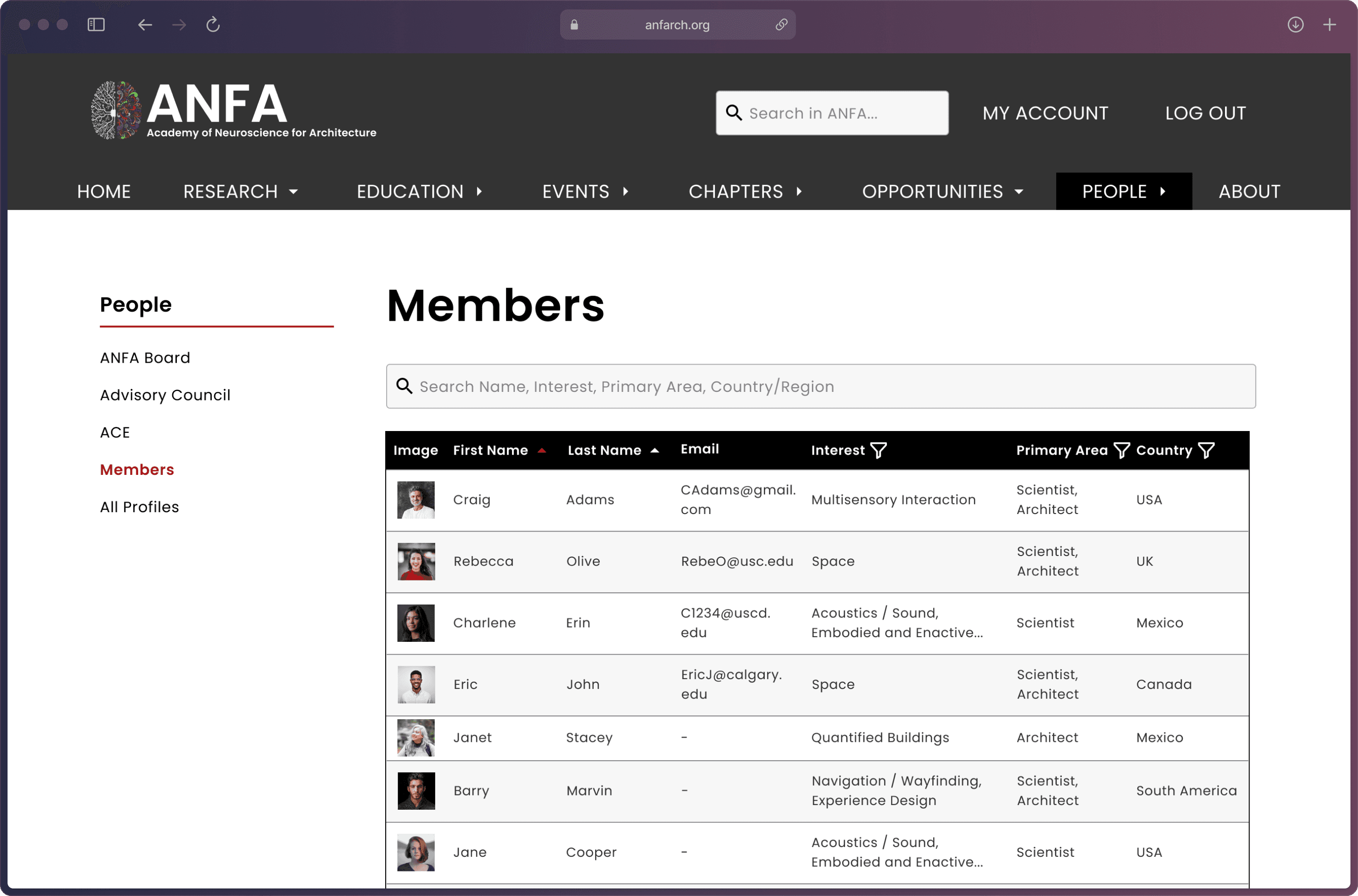
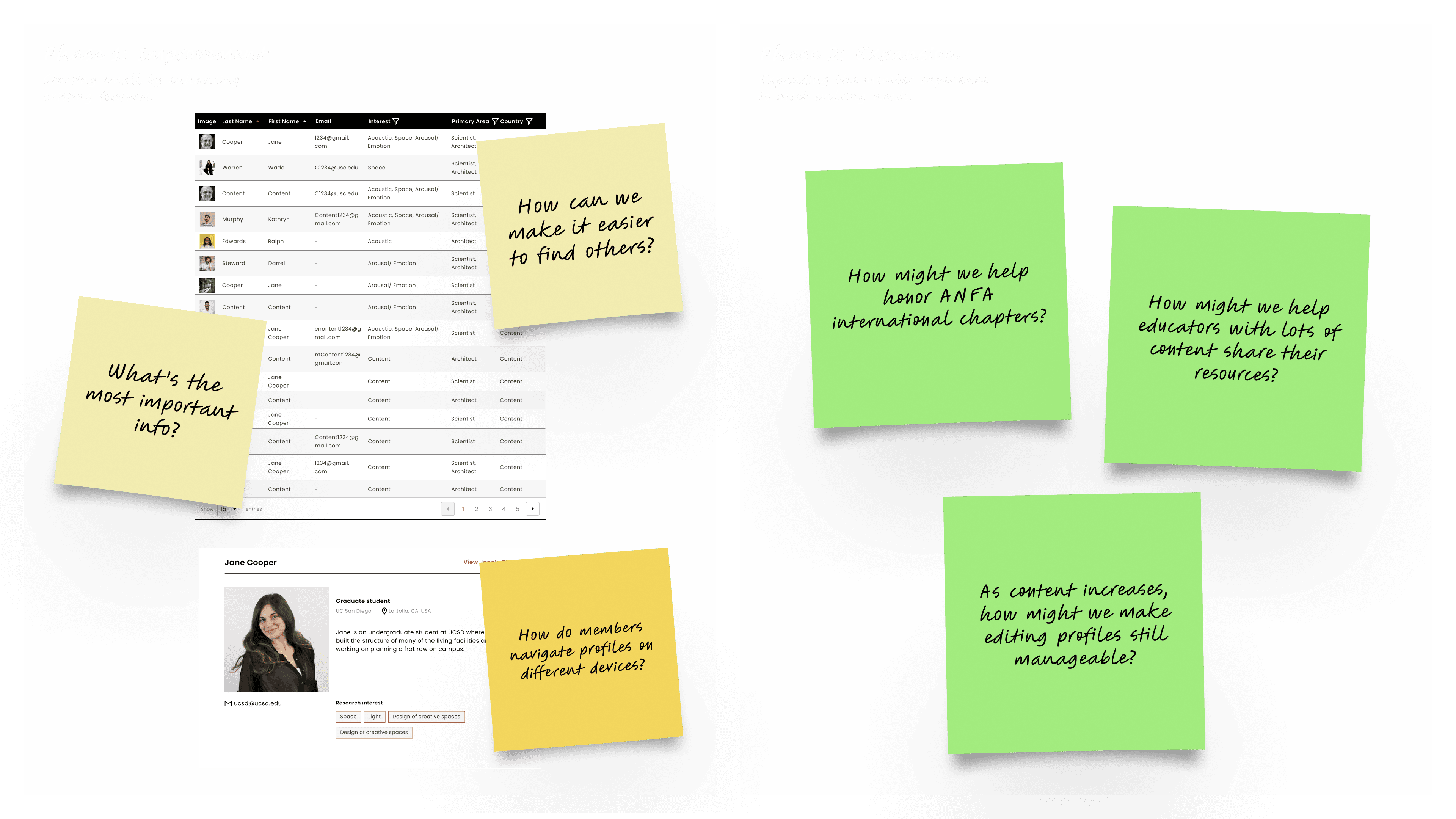
Whether meeting someone online or reconnecting from a conference, discovering and connecting on ANFA was a challenge. While the table view worked functionally, it lacked the ability to help users discover and engage with relevant peers.

Shallow Member Profiles
Sharing expertise enables members to build strong professional relationships, collaborate on impactful projects, and drive advancements in the field.
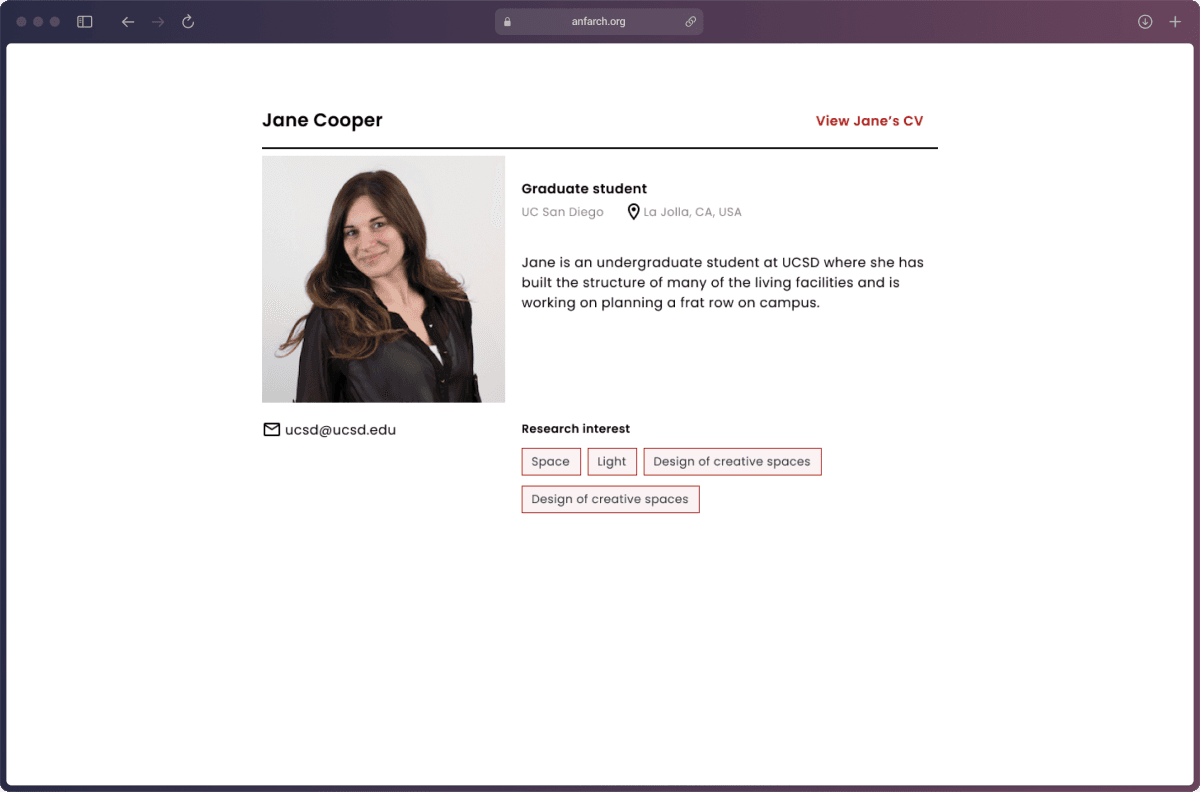
Members could only showcase basic info—name, institution, and a brief bio—leaving much expertise hidden. Years of experience, education, and groundbreaking research weren’t represented, making it hard for architects and researchers to connect meaningfully.
Refining the Old, Expanding the New
We began by auditing ANFA’s existing systems to identify areas for improvement. The main challenge was convincing developers that while the system worked, it didn’t fully meet user needs.
After speaking with the ANFA president, I became the voice for the users, helping the team see where the experience could be refined. I also collaborated with my manager to workshop ideas with developers.

UX Challenge: No Dedicated Researcher
ANFA lacked a formal research team, so I relied on my manager, who gathered feedback from the executive board. I joined key discussions, helped prepare questions, and took every opportunity to engage with the president.
Member Discovery
The heart of the membership experience is finding other members. Naturally, that’s where we kicked things off.
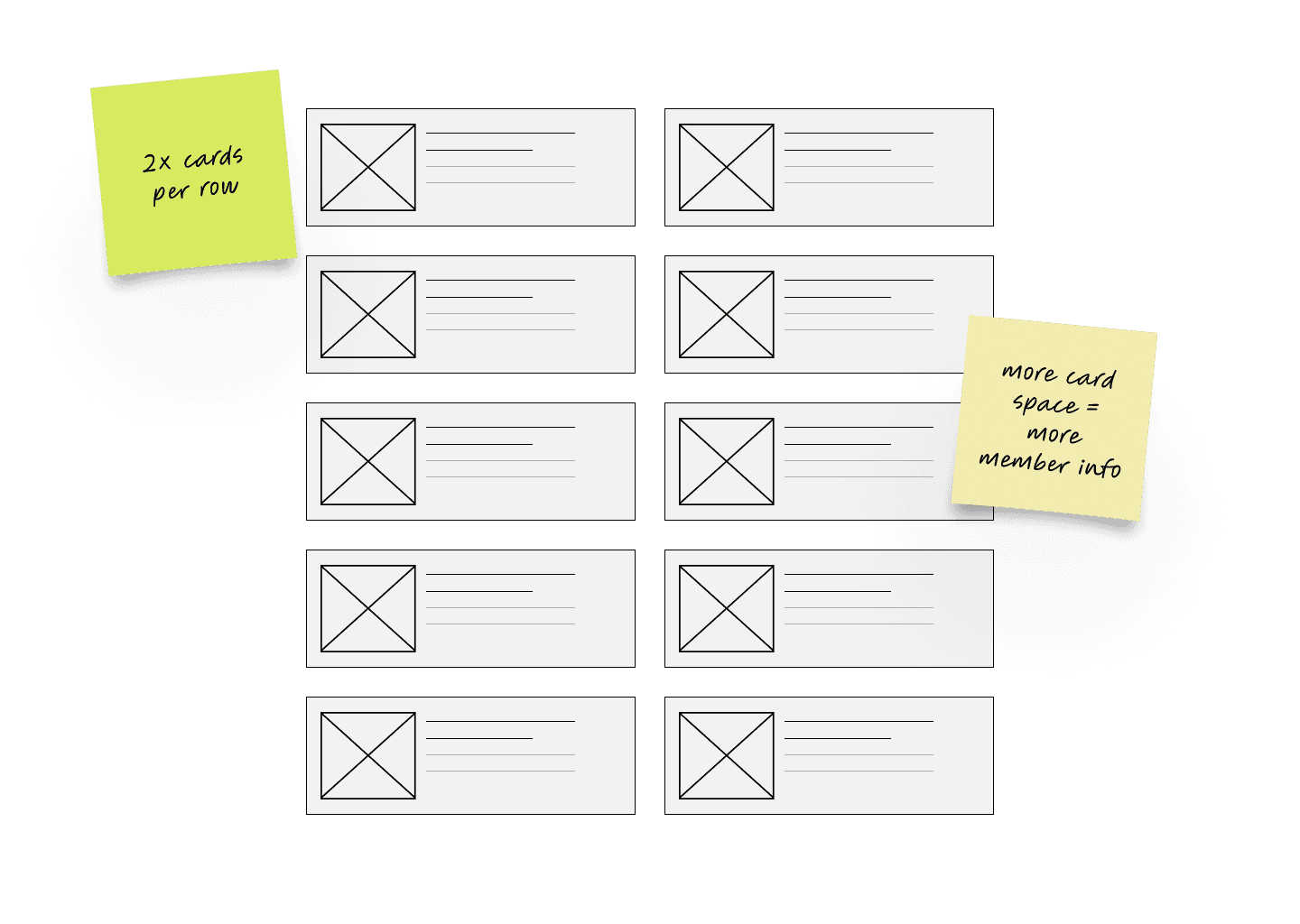
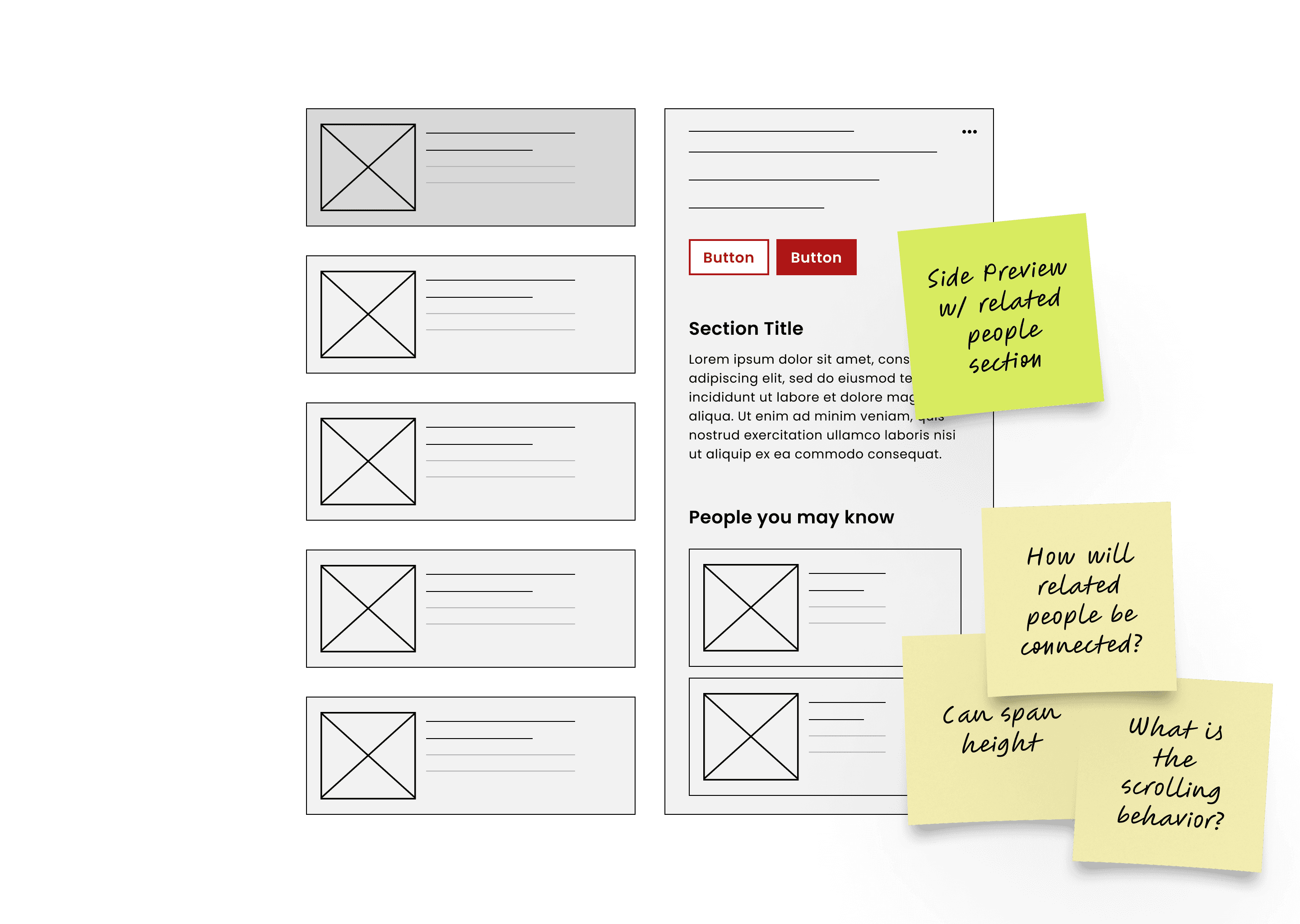
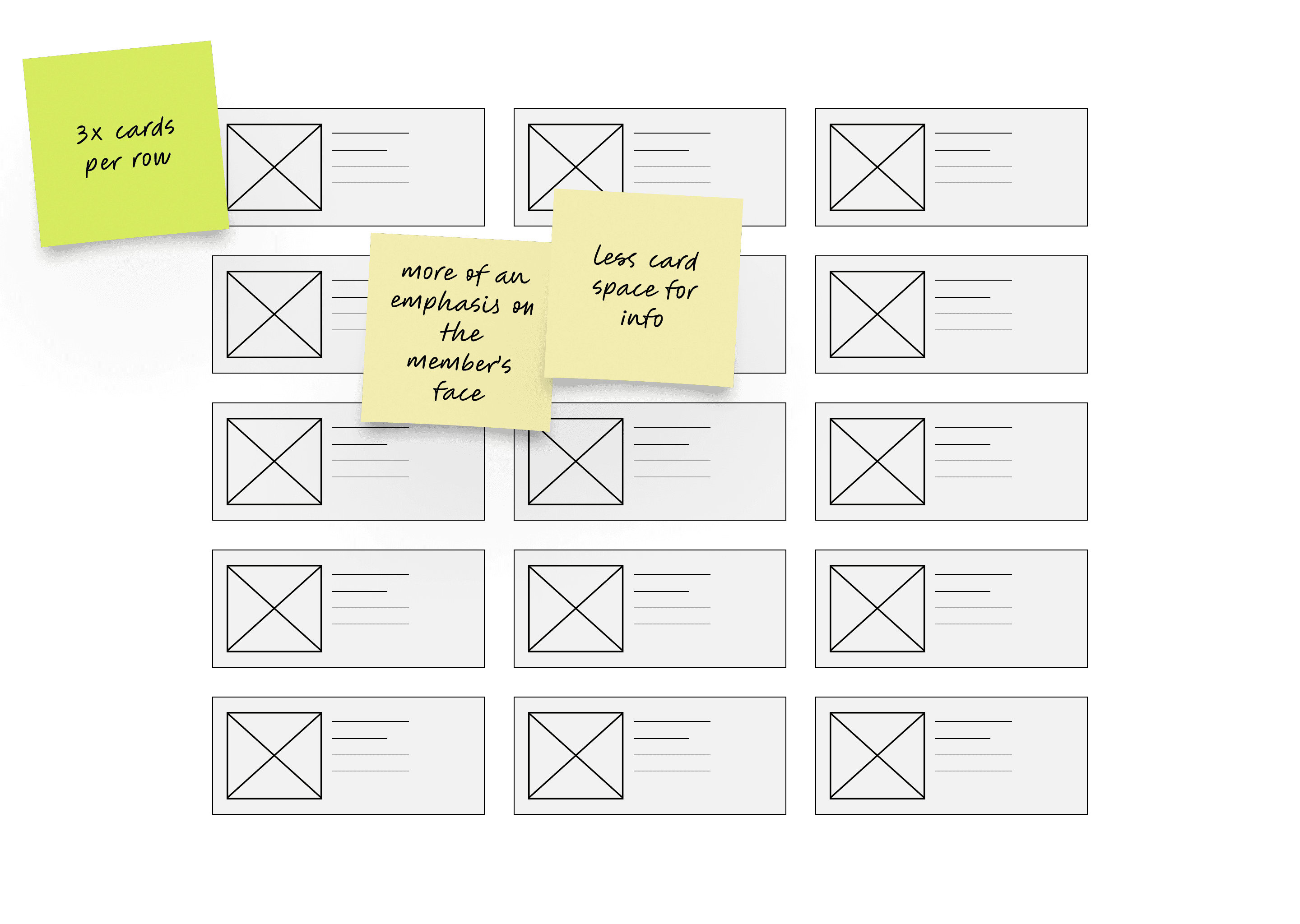
Exploring Different Ways Members Can Discover
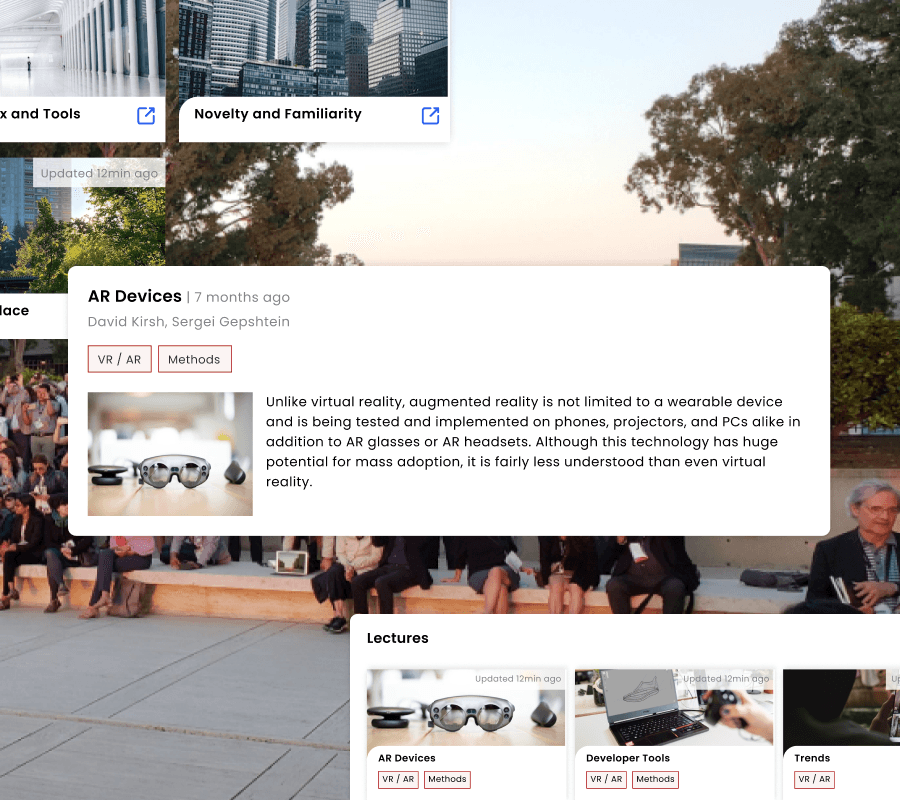
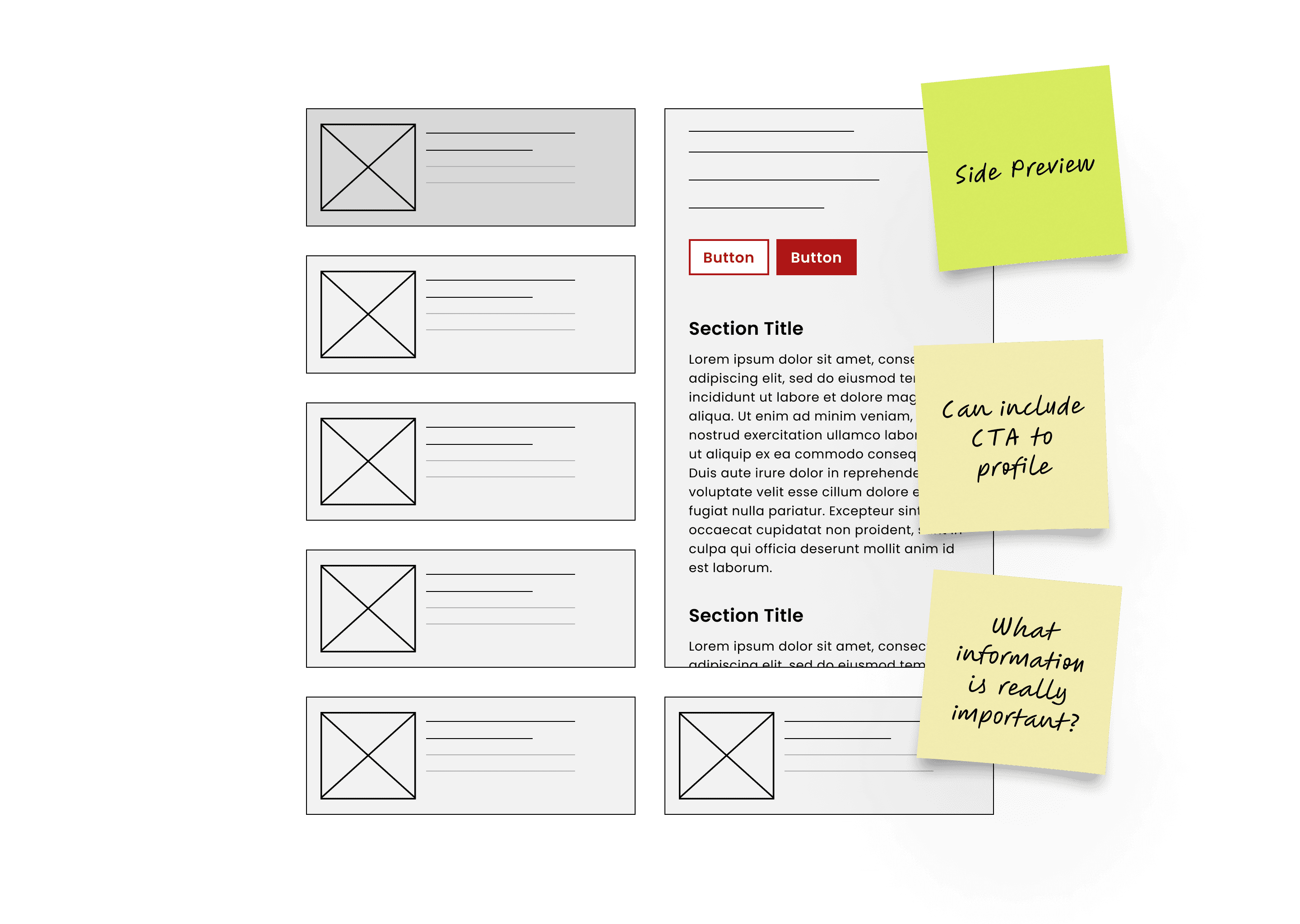
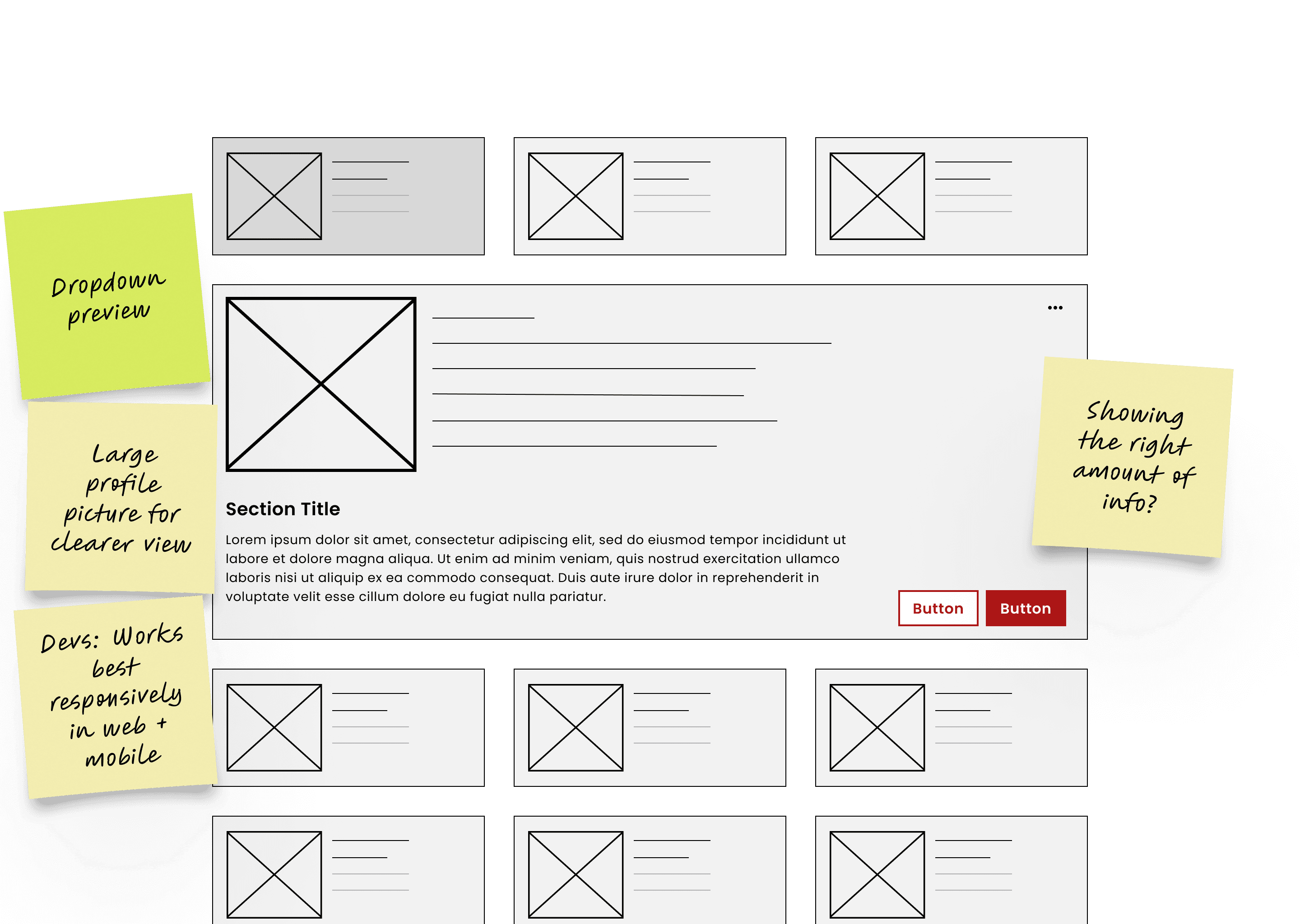
I proposed different card views and interaction options, discussing how they could enhance the user experience. I highlighted the potential benefits and challenges of each approach, helping the team evaluate their feasibility and impact.
Prototyping as a Tool for Communication
I learned to use prototyping as another language to communicate with our developers. It worked well as they gave their input on responsiveness and CSS element interactions that I used to change the final designs.
Member Profile
Profiles were expanding with more information, but the growing list became difficult to manage.
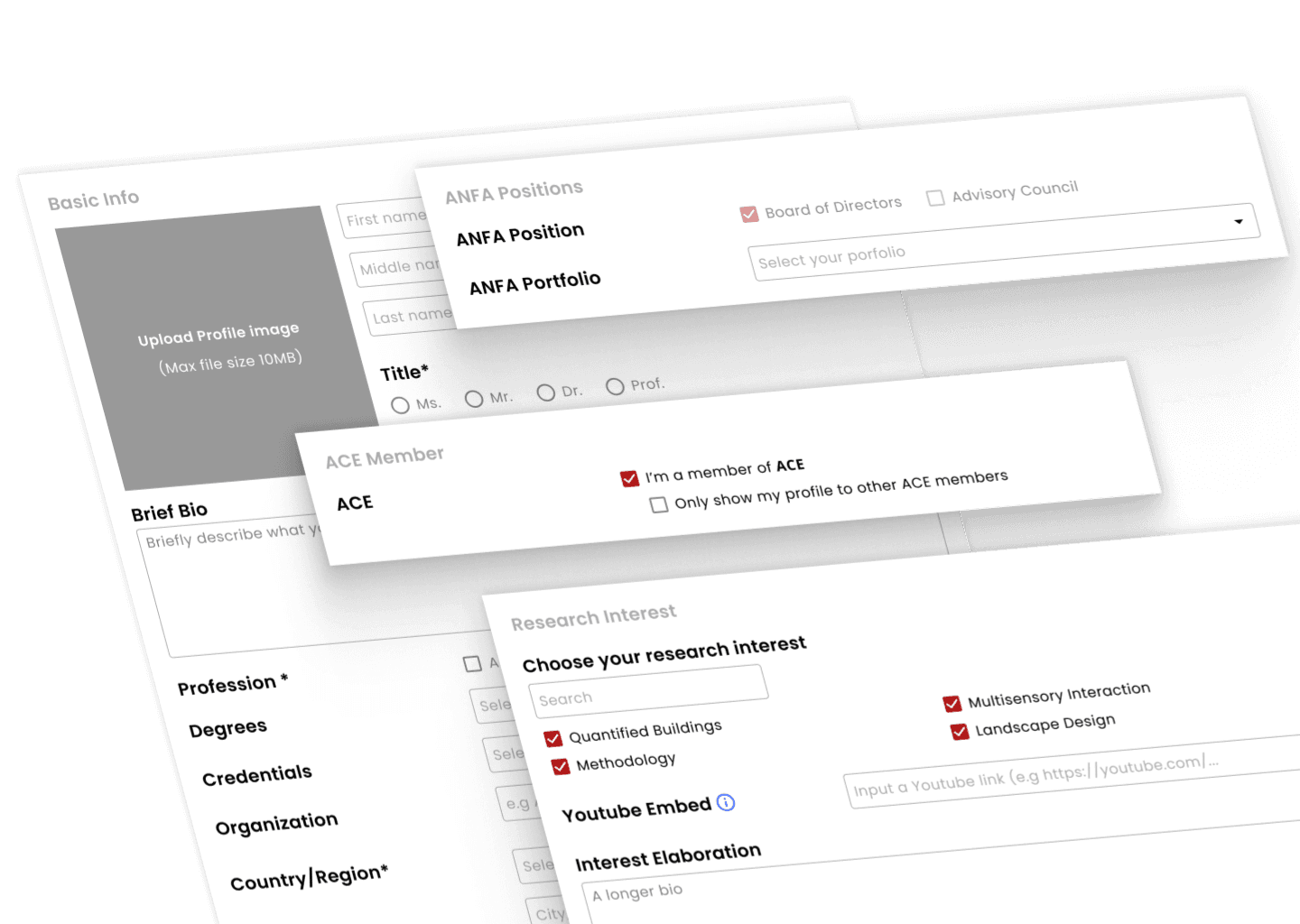
Turning a Long List into Smarter Sections
After usability tests, my team grew concerned with the long list of entries a user needed to fill out. We brainstormed ways for users to edit and manage their profiles better.
Based on developer ideas, previously set role and permission assignments set up a scalable foundation for profile segments. I translated their ideas of chunking the profile to iterate and eventually ship.
Easier Navigation for Profile Editing
As ANFA expanded profiles with more detailed sections, the profile pages grew longer, raising concerns from the ANFA president.
To address this, I proposed a sticky navigation bar that would allow users to quickly jump between sections. I worked closely with the development team, iterating on scrolling behaviors to ensure smooth navigation.
International & Educator Communities
Enhancing Profiles to Celebrate Chapter Involvement and Enable Course Sharing
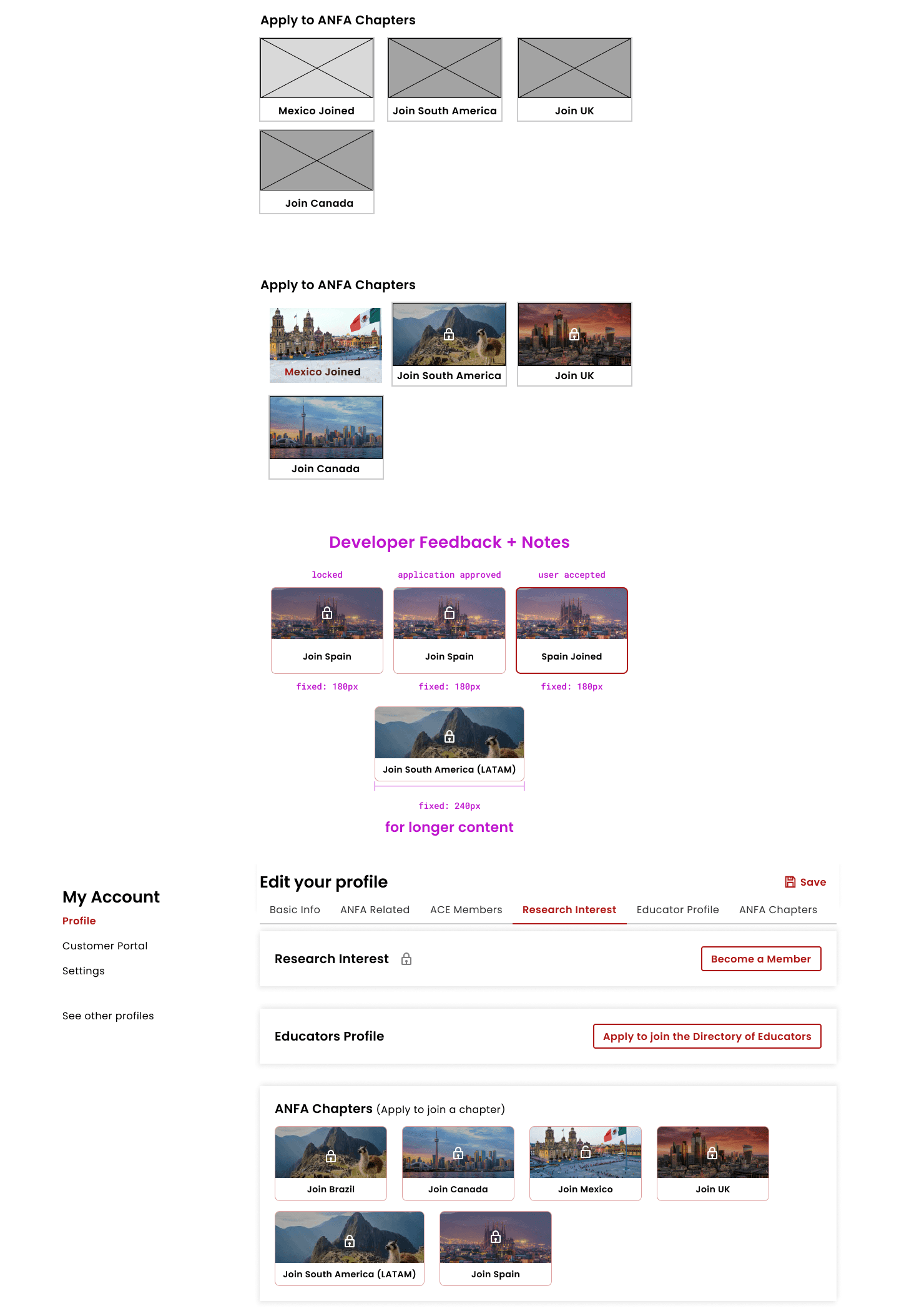
Card Components for International Chapters
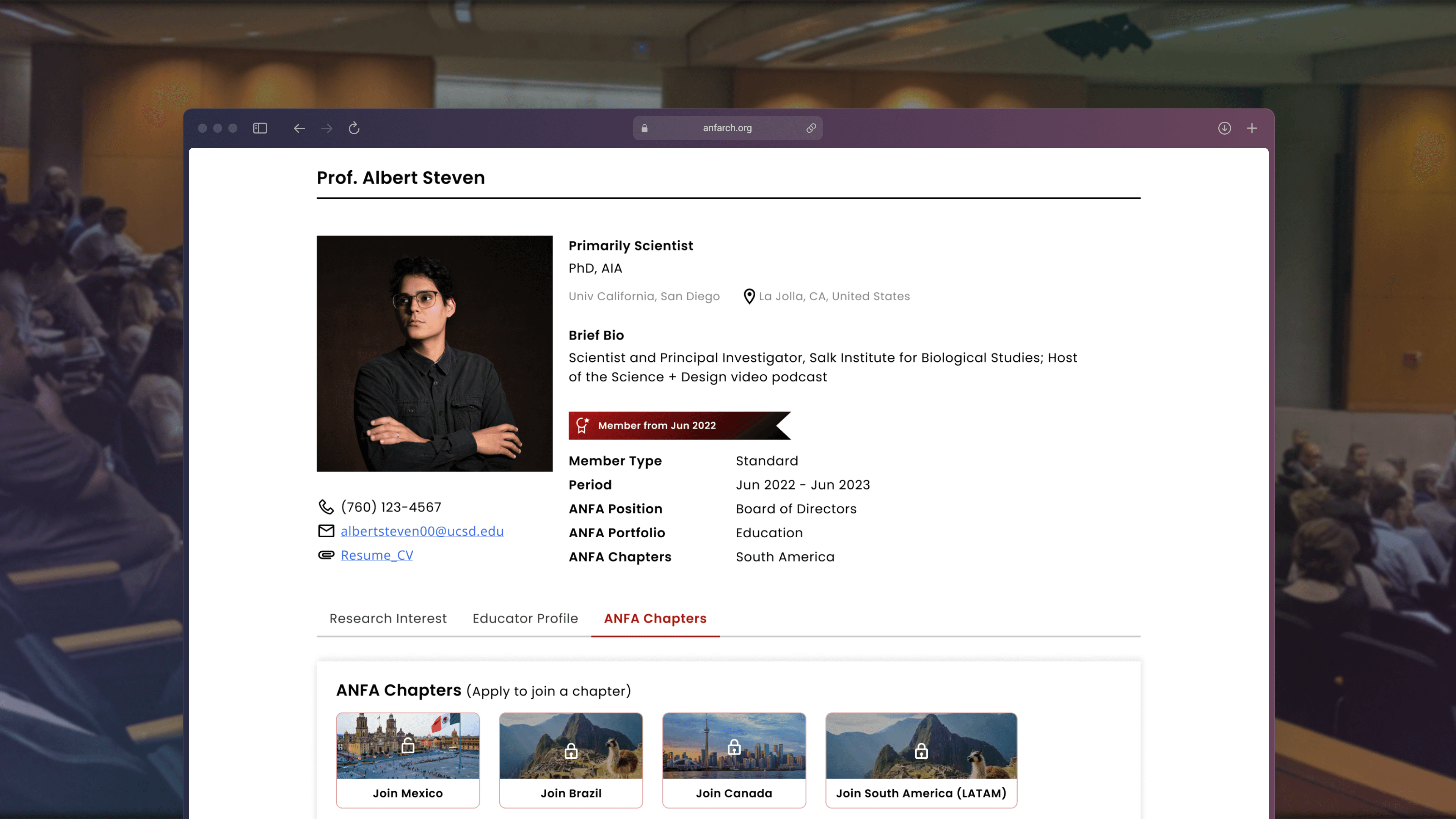
To help members showcase their chapters like a badge, I revisited card components. The layout worked well to highlight regional landmarks, and after collaborating with my manager and developers on sizing and responsiveness, I refined the designs into the final version.
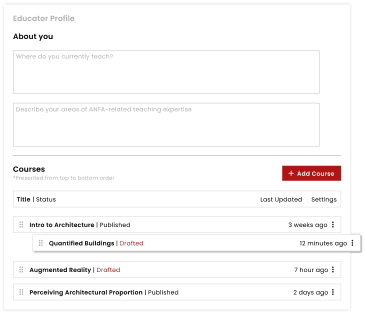
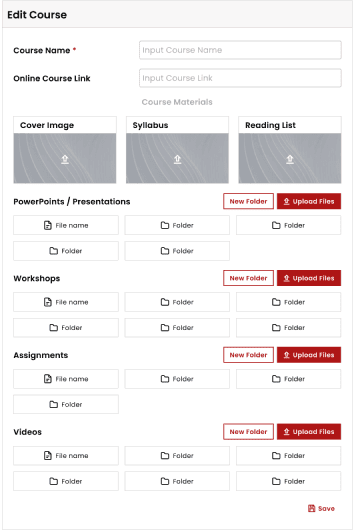
Crafting Different Ways to Upload Courses
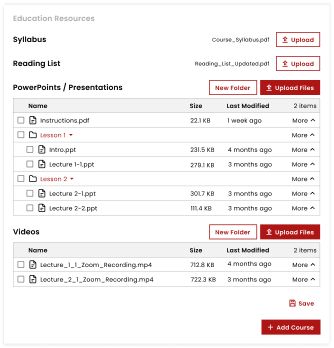
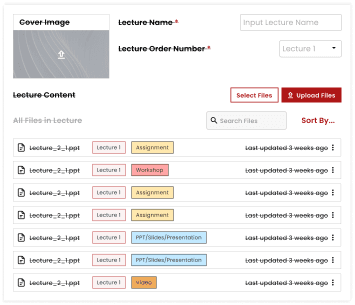
The president’s request for a course upload feature posed a challenge: how to help educators organize dense course content in a clear, structured way. I explored different UI mockups for a file upload system.
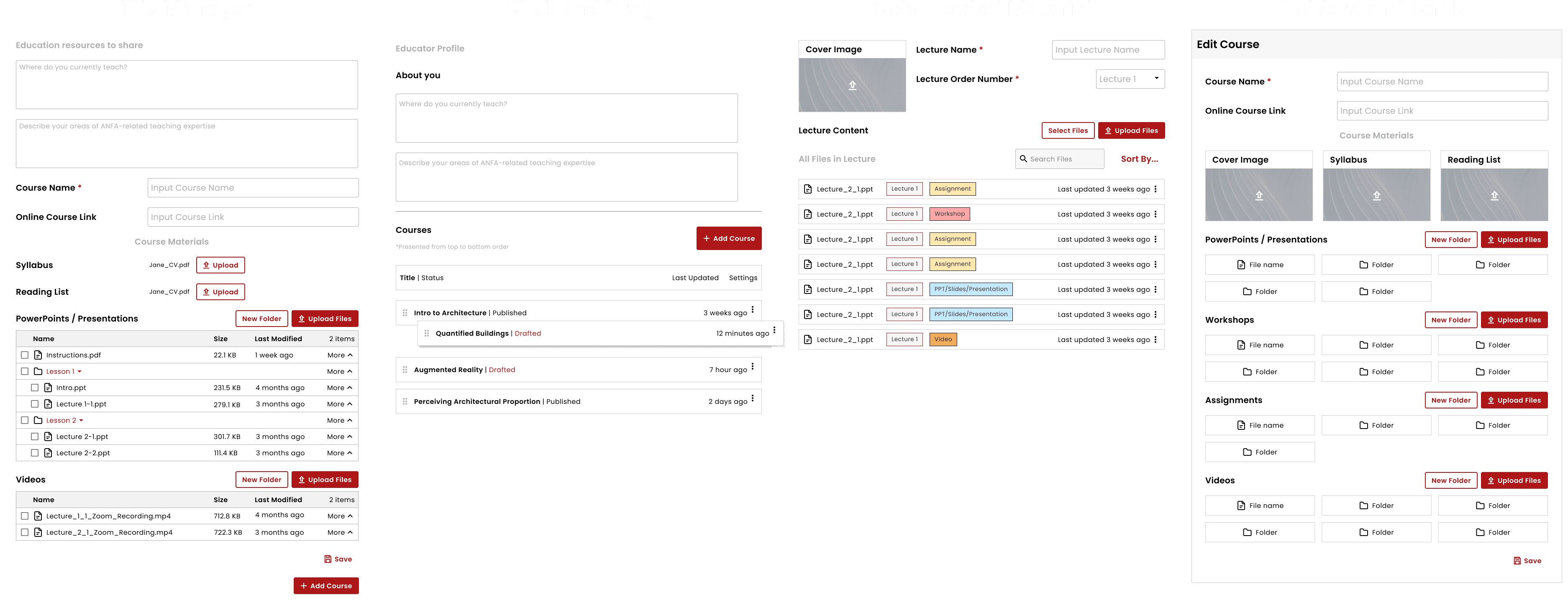
Streamlining Design for Consistency and Efficiency
Similar to the chapter cards, I revisited card components and integrated popup modals from our design system. This approach prioritized consistency and streamlined development, which were key to meeting our timeline.
Huge gains! A 2.45x Membership Increase & No More Membership-related Refunds.

The website is looking fabulous!!! Thanks for such great work and the effort involved.
ANFA Follower since 2003

The new site looks really excellent! I just explored it today. I'll create a profile.
ANFA Executive
Expanding Global Connections
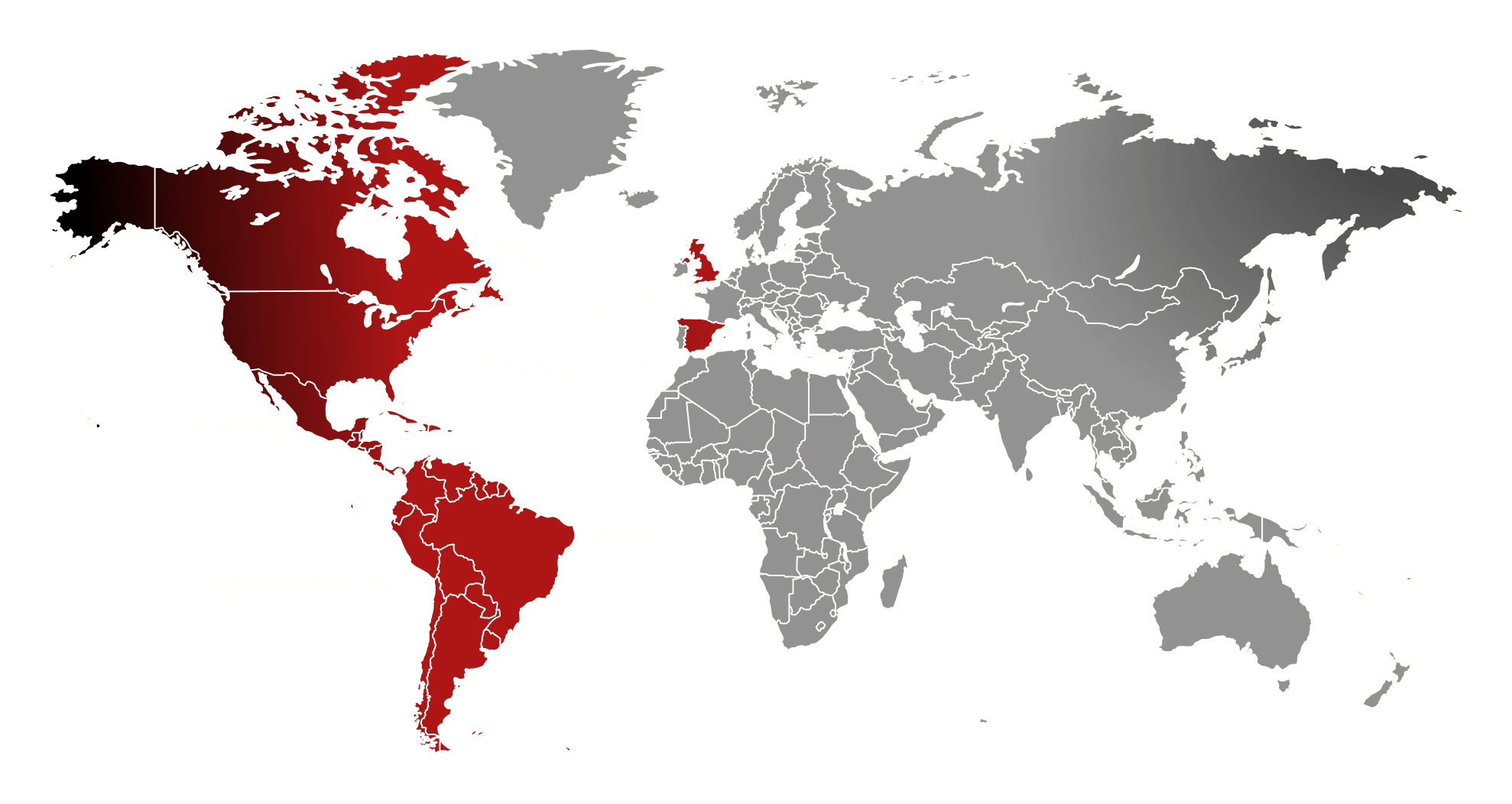
Through our work, ANFA has significantly expanded its reach, fostering communities in Mexico, Canada, the UK, Latin America, and Brazil. ANFA is now connecting with educators from institutions such as UCL, Aalborg University, Cambridge, and ERDA—strengthening its position as a global hub for neuroscience and architecture.
Final Thoughts
What I Learned

Clarify the Vision
As a designer, my role was to also communicate a story that motivates action. Early on, the team felt disconnected—developers building in silos, my manager handling stakeholders, and me iterating on requests. It wasn’t until I showed how a micro card search interaction connects to a member exploring another’s PhD background that the team aligned.
By grounding creativity in ANFA’s goals, I helped bridge the gap between where they are today and where they aspire to be.

Unblock the Flow
There wasn’t just a user problem—there was also a team problem. By actively collaborating with developers, I uncovered ways to unblock their workflows, whether it meant addressing foreseeable obstacles, discussing bandwidth, or understanding their perspectives.
I also learned to compromise. For example, when crafting educator course upload interactions, I had to let go of certain ideas because the tech stack couldn’t support them, or they risked pulling the team away from core objectives. Taking these steps to align early made tackling user experiences smoother and more effective.

Prototype with Purpose
I discovered a huge lesson: while I love prototyping and diving into high-fidelity designs, it’s easy to lose sight of the bigger picture. Creativity and exploration are essential, but grounding yourself in the problem, aligning with stakeholders, and managing timelines are equally important.
When building the educator profiles, I found myself creating countless prototypes—a valuable exercise, but one that needed balance. I learned to be mindful of the remaining time before launch and the development effort required, ensuring my design process stayed collaborative and realistic.

Thank you (1000x)
Ali
for your guidance, organization, and empathy.
Phuc
for teaching me how to think like a developer.
Devlin
your crafty UI skills and reliability.
©2026
ALL RIGHTS RESERVED
Designer designing designs.
Filipino-made.
Based wherever the work is good.